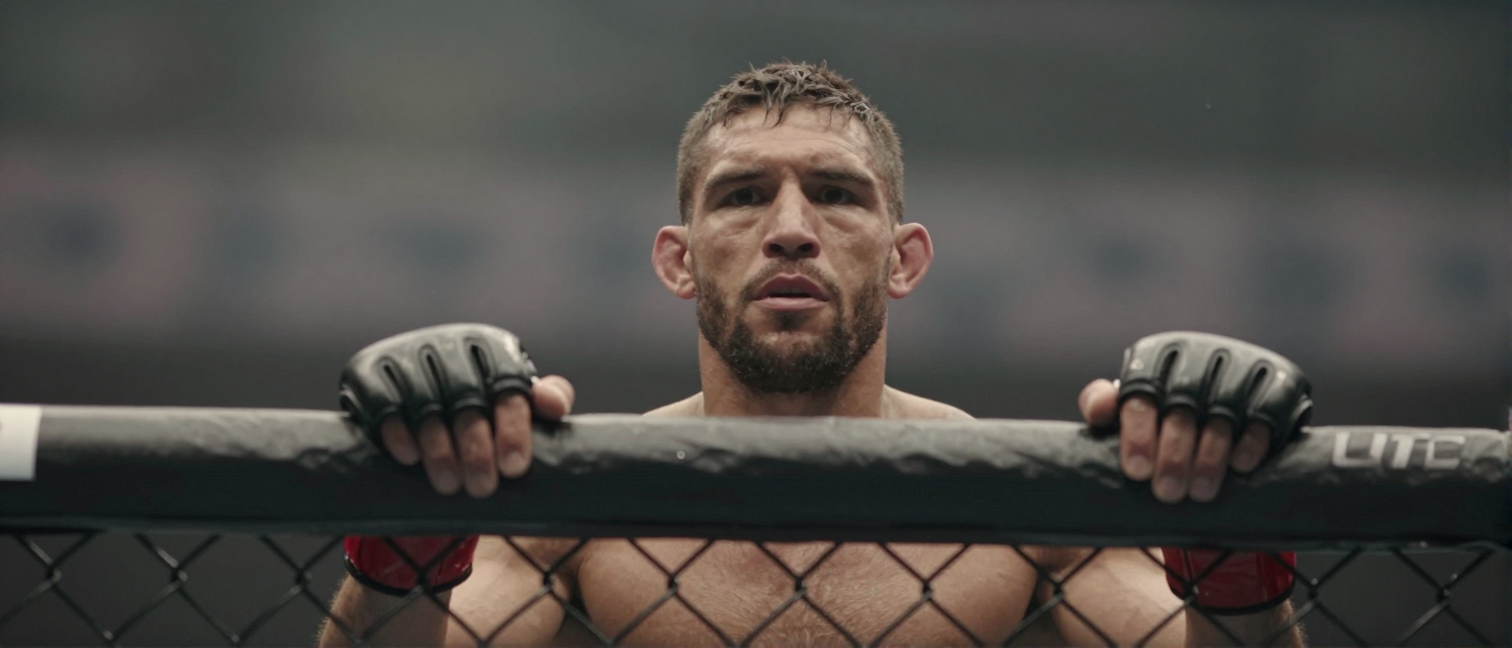
Dustin Poirier became the focal point of a retirement‑policy debate on 6 July 2026 after former champion Cody Garbrandt warned the UFC that fighters like Poirier need better post‑career support.
Why Garbrandt raised Poirier’s case
Garbrandt, a 35‑year‑old former bantamweight champion, said Poirier’s public‑drunkenness arrest at an airport highlighted how even top athletes can stumble when their fighting days end. He noted Poirier retired earlier this year and has spoken openly about the mental and financial strain of life after the octagon. Garbrandt argued the UFC should step in with health‑care, insurance and a 401(k) plan to keep retirees stable.
What happened to Dustin Poirier?
Poirier, a longtime UFC staple, was detained for public intoxication two weeks before Garbrandt’s interview. In a series of videos, he apologized, explained family pressures and admitted alcohol was a coping tool. The incident sparked a media frenzy, but Poirier emphasized he’s working on his recovery and adjusting to a life without fight purses.
How the issue affects other fighters
Garbrandt warned that many athletes fight while injured or financially desperate because they lack a safety net. He said, “You see them walk away and the detriment that it does getting released back into the wild.” The former champion urged the promotion to create a structured retirement program, fearing the current system leaves fighters scrambling for income and purpose.
What’s next for the UFC?
The UFC has not issued a formal response, but the conversation is heating up as Garbrandt prepares for his bout against Adrian Yanez at UFC 329 on 6 July 2026. Garbrandt’s comments may pressure the organization to address retirement planning before more high‑profile athletes face similar struggles.
How Poirier’s story resonates with fans
Fans have expressed sympathy for Poirier, recalling his charitable work and rise from a small Louisiana town to global stardom. Garbrandt said, “I feel for Dustin. I get choked up just thinking about it because he’s such a good dude.” The emotional response underscores the human side of a sport often defined by statistics and knockouts.