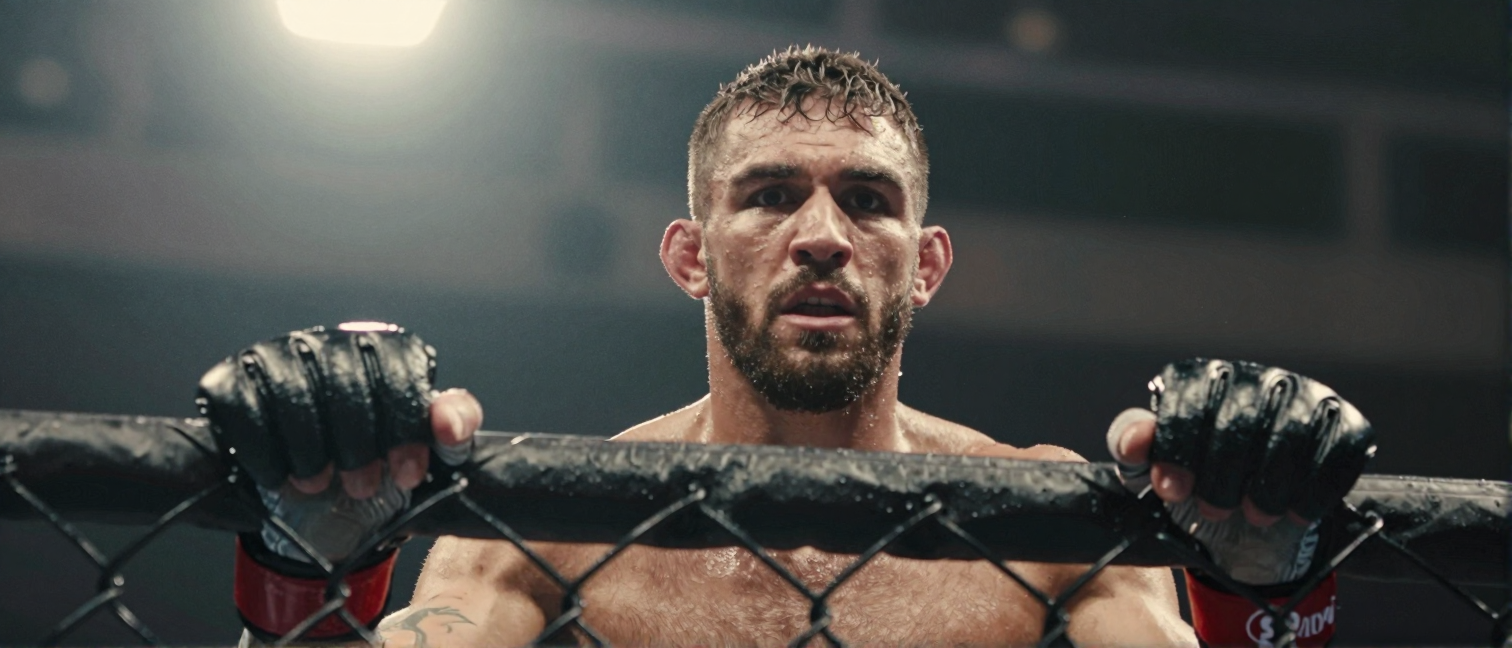
Dustin Poirier addressed Sean Strickland’s public apology on 4 July 2026, after the former light‑heavyweight champion disclosed his struggle with depression following a June 21 arrest at Atlanta airport. Poirier’s candid podcast interview sparked a heated online exchange, prompting Strickland to retract his earlier criticism.
What triggered the controversy?
During a *Diary of a CEO* podcast with Steven Bartlett, Poirier explained that the night of his arrest he was battling a severe depressive episode tied to childhood trauma and post‑retirement pressures. He said the episode “hit me hard,” linking his behavior to mental‑health struggles rather than solely to the legal incident.
How did Sean Strickland respond?
Strickland initially dismissed Poirier’s comments on X, questioning whether a wealthy, high‑profile athlete could truly be “depressed.” He wrote, “You’re rich and loved by thousands… you’re not allowed to be depressed,” and repeated the sentiment in several follow‑up posts. The backlash grew as fans and fighters highlighted the stigma surrounding male mental health in combat sports.
What changed Strickland’s tone?
After reviewing Poirier’s full interview, Strickland posted a mea culpa, stating, “I spoke to Dustin and he is legitimately messed up by his actions. I thought it was PR clean‑up, tbh… So yeah I repent and I am sorry Dustin.” The apology marked a rare public reversal for the outspoken fighter, who is known for blunt remarks inside and outside the Octagon.
Why does this matter for Dustin Poirier?
Poirier’s openness adds a new layer to the ongoing conversation about mental‑health resources for retired UFC athletes. His willingness to discuss depression publicly may encourage peers to seek help, especially as many face identity shifts after leaving competition. The incident also underscores how social media sparks rapid judgment, often before full context is known.
What’s next for the two fighters?
As of now, Poirier has not publicly responded to Strickland’s apology, leaving fans to wonder whether the dialogue will evolve into a broader advocacy effort. Both fighters remain active in the UFC landscape—Poirier as a retired legend and Strickland as a top‑ranked contender—so their interactions could influence future locker‑room dynamics and public perception of mental‑health issues in MMA.
How will this affect UFC’s mental‑health initiatives?
The UFC has previously launched programs offering counseling and wellness support, but critics argue more visibility from high‑profile athletes is needed. Poirier’s story, amplified by Strickland’s reversal, may pressure the organization to expand resources and promote education, especially for fighters transitioning out of the sport.
The episode illustrates how a single interview can ripple through the MMA community, reshaping narratives around vulnerability, accountability, and the fight beyond the cage.